 editer@kidkosh.in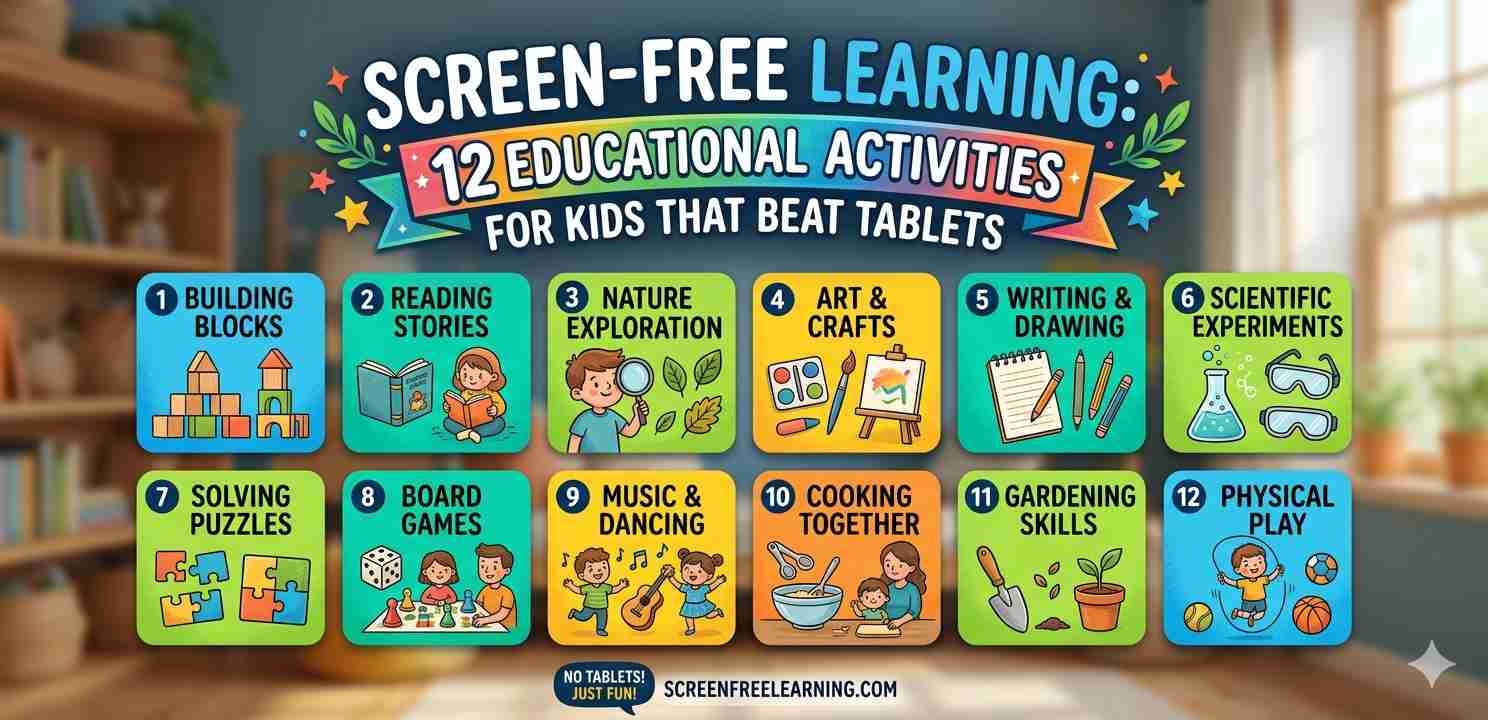
Let’s be honest — handing a child a tablet is easy. It keeps them quiet. But somewhere between the YouTube videos and game apps, actual learning quietly disappears. If you’ve been looking for better educational activities for kids that don’t involve a glowing screen, you’re in the right place. These 12 ideas are practical, tested, and genuinely fun.
Why Screen-Free Learning Actually Works
Kids learn best when their hands, eyes, and imagination are all working together. Tablets mostly keep one hand busy and two eyes glazed. Hands-on educational activities for kids build something screens can’t — real problem-solving skills, patience, and creativity that lasts.
Research consistently points out that unstructured and semi-structured play is one of the most powerful drivers of cognitive development in children under 12. When a child figures out why their clay bridge keeps collapsing, they’re doing engineering. When they read a map to find a hidden “treasure” in the backyard, they’re doing spatial reasoning. No app comes close.
1. Nature Journaling
Give your child a simple notebook and take them outside. Ask them to draw what they see — leaves, insects, clouds, anything. Then write three words describing it.
This works on observation, vocabulary, and patience all at once. It’s one of the quietest educational activities for kids that still delivers a lot. Over weeks, children start noticing things they never did before: the difference between ant trails and beetle paths, how shadows move through the day.
2. Cooking Simple Recipes Together
Cooking is math, science, and reading bundled into one delicious task. Measuring half a cup of flour teaches fractions. Watching butter melt teaches states of matter. Following a recipe builds reading comprehension.
Start small — scrambled eggs, fruit salad, simple bread. Let the child do as much as is safely possible. Mistakes are part of it. If the pancake burns, ask why. That’s the kind of critical thinking that no tablet app replicates.
3. Board Games and Card Games
Classic games like Snakes and Ladders, Uno, Scrabble Junior, or even simple memory card games are among the most underrated educational activities for kids out there.
They build number sense, strategic thinking, turn-taking, and emotional regulation (yes — learning to lose gracefully is a real skill). Spend 30 minutes with your child on a board game and you’ll be surprised how much is actually happening mentally. For a deeper look at age-appropriate games, Common Sense Media’s game guide offers solid recommendations.
4. Building With Blocks or LEGO
Free-form building with blocks or LEGO bricks is one of the most powerful educational activities for kids across all age groups. A six-year-old stacking towers is doing physics. A ten-year-old recreating a city is doing architecture and spatial planning.
Don’t give them instructions every time. Let them build whatever they imagine. The problem-solving that happens when something falls down and they have to figure out why — that’s the real lesson.
5. Storytelling and Creative Writing
Ask your child to make up a story. Give them a starting sentence: “One morning, a small robot woke up in the forest and couldn’t remember its name.”
Where they take it will surprise you. This kind of imaginative exercise develops language, empathy, and narrative thinking. For older children, ask them to write it down and illustrate it. Binding those pages into a little “book” makes them incredibly proud — and motivated to write more.
6. Simple Science Experiments at Home
Baking soda and vinegar. A paper towel and food coloring and water. A jar with oil and water. These are the building blocks of genuinely exciting educational activities for kids that feel like magic but teach chemistry and physics.
The key is asking questions before showing answers. “What do you think will happen?” and “Why do you think that happened?” turn any experiment into a proper thinking exercise. NASA has a free resource called NASA STEM Engagement that includes hands-on activities for various age groups — worth bookmarking.
7. Gardening (Even in Small Spaces)
You don’t need a big backyard. A few pots on a balcony or windowsill is plenty. Let your child plant seeds — beans and sunflowers sprout fast, which keeps them engaged.
Gardening teaches biology, patience, responsibility, and the satisfaction of watching something grow because of your consistent care. These are lessons that go far beyond any screen-based educational activities for kids curriculum.
8. Drawing, Painting, and Art Projects
Art isn’t just for creative kids — it’s for all kids. Drawing develops fine motor skills. Mixing colors teaches basic color theory and observation. Painting from imagination builds self-expression.
Keep a dedicated art corner if you can. Even a shoe box with crayons, old magazines for collage, and some watercolors goes a long way. The point isn’t the product. It’s the thinking and experimenting that happens while making it.
9. Reading Physical Books Aloud
Shared reading — where a parent reads to the child, or older children read to younger siblings — is one of the most effective educational activities for kids for building language skills, vocabulary, and comprehension.
Even 20 minutes a day of read-aloud time has measurable effects on a child’s literacy development. Choose books slightly above their level. Let them ask questions. Talk about what just happened in the story. This builds inference skills that are genuinely hard to teach any other way. See our guide on building a reading habit at home for practical tips on making this a daily routine.
10. Map Reading and Geography Games
Print a simple map — or draw one of your neighborhood — and turn it into a game. Mark spots and let your child navigate to find them.
For older kids, bring out a physical atlas and have them find countries, capitals, rivers. Ask them to tell you three things about a place they’ve never heard of. This builds global awareness, curiosity, and geography skills that typically don’t get enough attention. Check out our post on making geography fun for children for more ideas.
11. Puzzles and Brain Teasers
Jigsaw puzzles, logic grids, tangrams, and simple riddles are terrific educational activities for kids that strengthen pattern recognition, persistence, and analytical thinking.
Start with puzzles that are a little challenging but not frustrating. The sweet spot is when a child says “this is hard” but still keeps going. That productive struggle — working through difficulty without giving up — is one of the best things you can nurture in a young learner.
12. Role Play and Pretend Play
Younger children especially benefit enormously from pretend play. Playing “shop” teaches basic math and social transactions. Playing “school” builds language and structure. Playing “hospital” develops empathy and vocabulary.
Don’t over-structure it. Give them props — an old phone, some play food, a few hats — and let the story go wherever it goes. Role play is one of those educational activities for kids that parents often overlook because it looks like “just playing.” It isn’t. It’s some of the most complex cognitive work young children do.
Making Screen-Free Time a Habit, Not a Battle
The biggest challenge isn’t finding educational activities for kids — it’s the transition away from screens. Children used to tablets will resist at first. That’s normal. A few things help:
Don’t ban screens dramatically. Reduce them gradually and fill the gap with something genuinely interesting. Get involved yourself, especially at the start. A child who sees their parent excited about building a puzzle or planting seeds will naturally want to join.
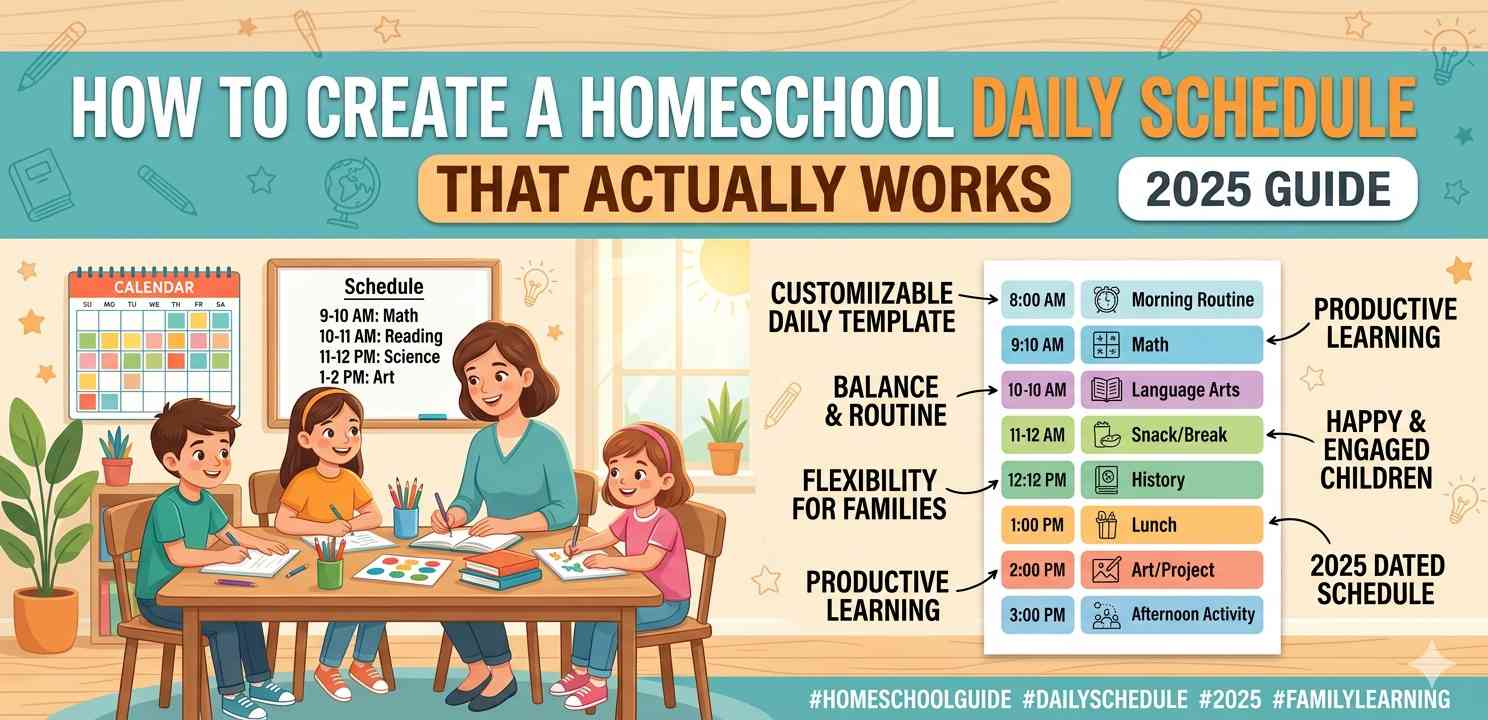
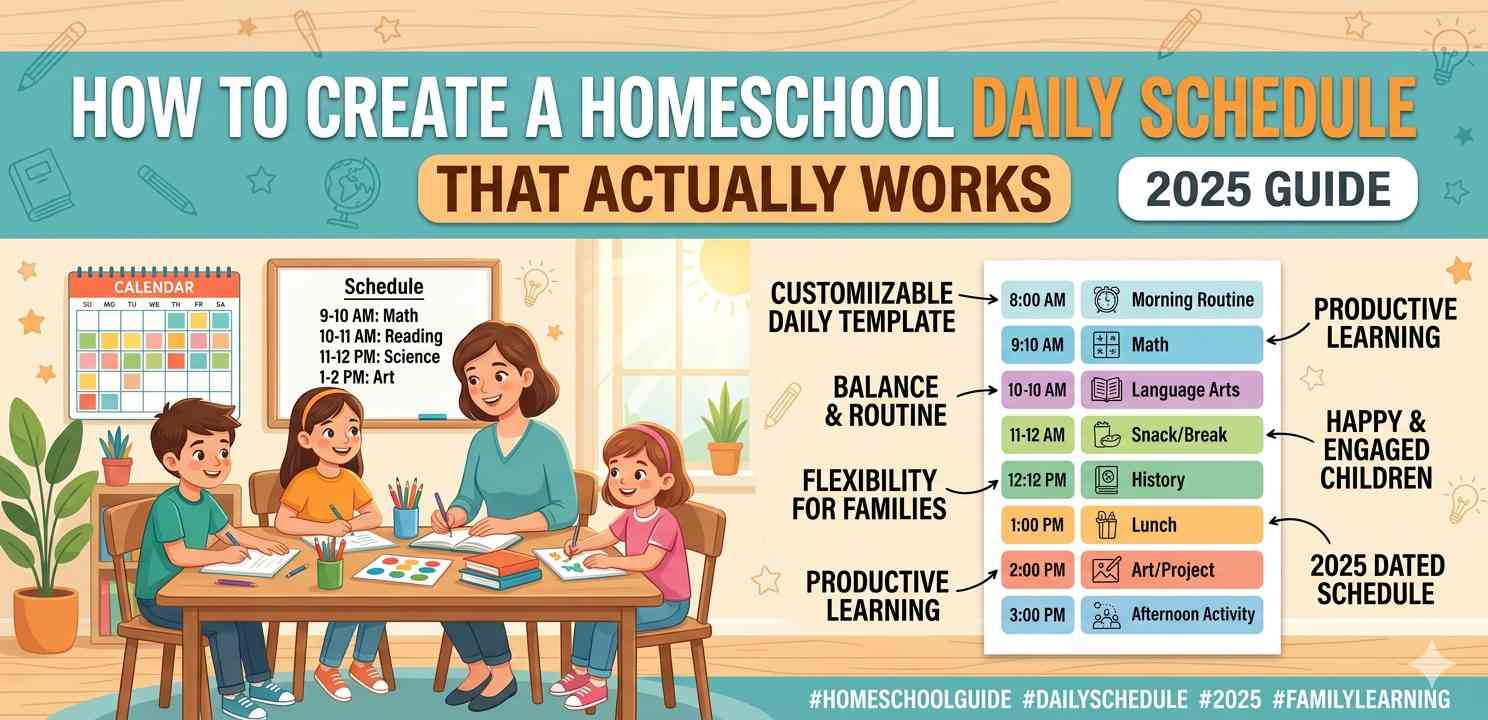
Create a simple weekly rhythm: mornings for reading and art, afternoons for outdoor play or science experiments. Consistency builds habit, and habit removes the daily battle over screen time.
Final Conclusion
Screens aren’t going away, and that’s fine. But the hours children spend in hands-on learning, creative play, and real-world exploration shape them in ways no device can. The 12 educational activities for kids outlined here aren’t just substitutes for tablets — they’re genuinely better for building skills, curiosity, and confidence.
Start with one or two that suit your child’s age and personality. See how they respond. You might be surprised how quickly they stop reaching for the tablet when something more interesting is right in front of them.