 editer@kidkosh.in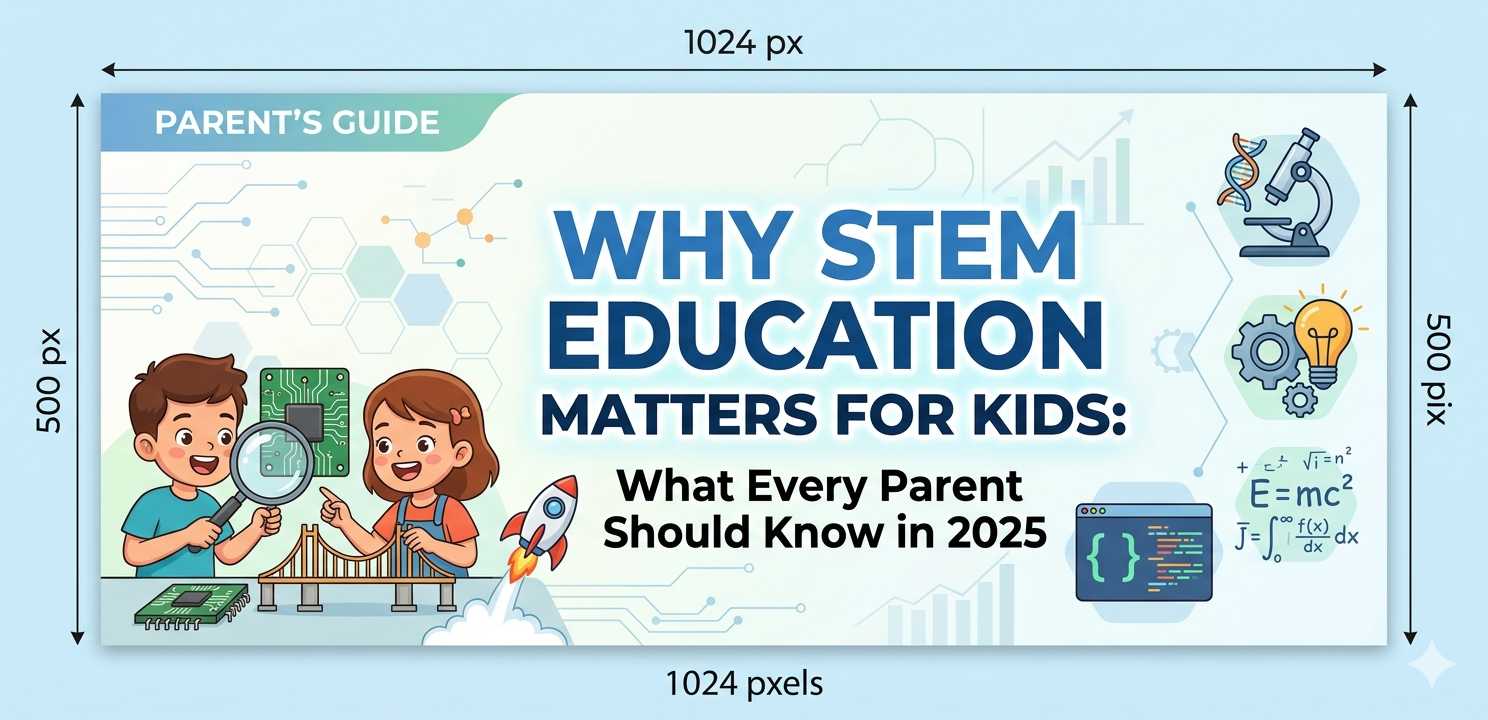
If you’re a parent trying to figure out what really matters for your child’s future, STEM education keeps coming up — and for good reason. It’s not just a trendy school term. STEM education, which stands for Science, Technology, Engineering, and Mathematics, is quietly becoming the backbone of how kids learn to think, solve problems, and prepare for jobs that don’t even exist yet.
And honestly? Most parents I talk to feel a little confused about where to start or why it even matters this early.
What Exactly Is STEM Education and Why Should You Care?
STEM education is an approach to learning that brings together four core subjects — science, technology, engineering, and math — in a way that’s connected and hands-on rather than taught as separate, unrelated topics.
Think about it this way: when a child builds a simple bridge out of popsicle sticks, they’re using math (measuring), science (weight and balance), and engineering (design) all at once. That’s STEM education in action.
It’s not about forcing every child to become a software engineer. It’s about building the kind of flexible thinking that helps kids face real problems with confidence — whether they grow up to be doctors, architects, artists, or entrepreneurs.
Why 2025 Is a Turning Point for STEM Education
The world in 2025 looks very different from even ten years ago. Artificial intelligence is handling tasks that used to require human effort. Automation is reshaping industries. And the jobs that will matter most in the next two decades are already leaning heavily on technical skills.
According to the U.S. Bureau of Labor Statistics, STEM-related occupations are expected to grow significantly faster than non-STEM jobs over the coming years. That’s not something parents can afford to ignore.
But this isn’t only about job markets. STEM education teaches children how to ask good questions, test ideas, fail without giving up, and think logically. Those skills matter in every area of life — not just careers.
How STEM Education Builds Critical Thinking From a Young Age
One of the most underrated benefits of STEM education is how early it starts shaping a child’s mind.
Young children are naturally curious. They want to know why the sky is blue, how a toy car moves, or what happens when you mix baking soda and vinegar. STEM education takes that curiosity and channels it into structured thinking.
Learning Through Experimentation
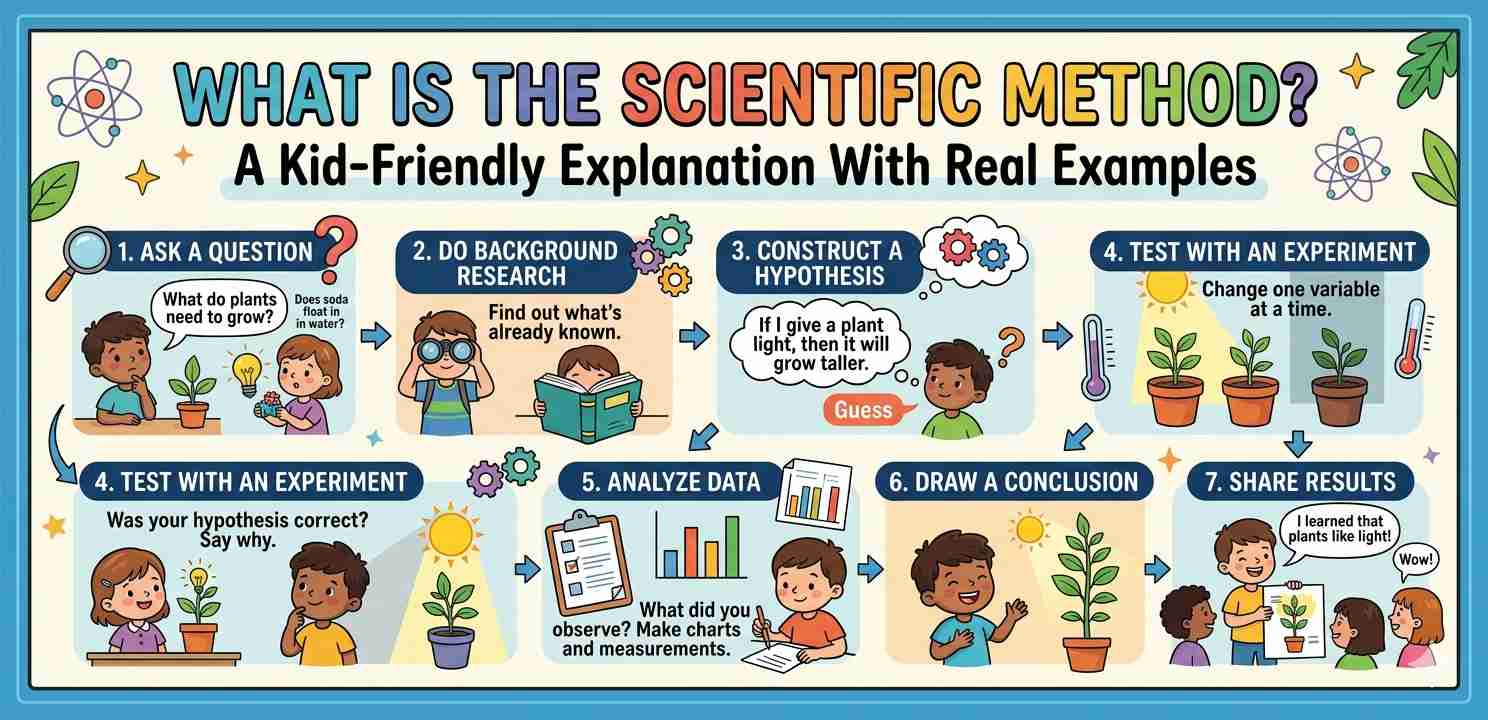
When kids do science experiments, even simple ones at home, they’re learning the scientific method without knowing it. They form a guess (hypothesis), try something out, observe what happens, and draw conclusions. That process teaches them to trust evidence over assumptions.
That’s a life skill, not just a school skill.
Math as a Tool, Not a Subject to Fear
Many children grow up thinking math is something that happens only inside textbooks. STEM education changes that. When math is taught through building, measuring, coding, or designing, kids start seeing numbers as tools rather than obstacles.
A child who learns fractions through cooking or geometry through building blocks is far more likely to feel comfortable with math later in school.
The Role of Technology in Modern STEM Education
Technology is the “T” in STEM, but it’s also the vehicle through which a lot of STEM education gets delivered today. Tablets, coding apps, robotics kits, and even basic computer programming are becoming regular parts of classroom learning — and home learning too.
You don’t need expensive gadgets to start. Free platforms like Code.org offer beginner-friendly coding lessons designed specifically for kids as young as five. Many schools are also incorporating block-based coding tools like Scratch, which make logical thinking feel more like play than study.
The key is not just exposure to technology, but learning how to use it thoughtfully. That’s what quality STEM education focuses on.
STEM Education at Home: What Parents Can Actually Do
Here’s where many parents feel stuck. They assume STEM education only happens in a fancy school with a lab full of equipment. That’s just not true.
Some of the best STEM learning happens at a kitchen table.
Everyday Activities That Count as STEM Education
- Cooking together involves measuring, timing, and chemistry (yes, really — baking is chemistry).
- Gardening teaches biology, soil science, and patience.
- Building with LEGOs or blocks develops spatial reasoning and basic engineering principles.
- Watching nature documentaries together and asking questions encourages scientific curiosity.
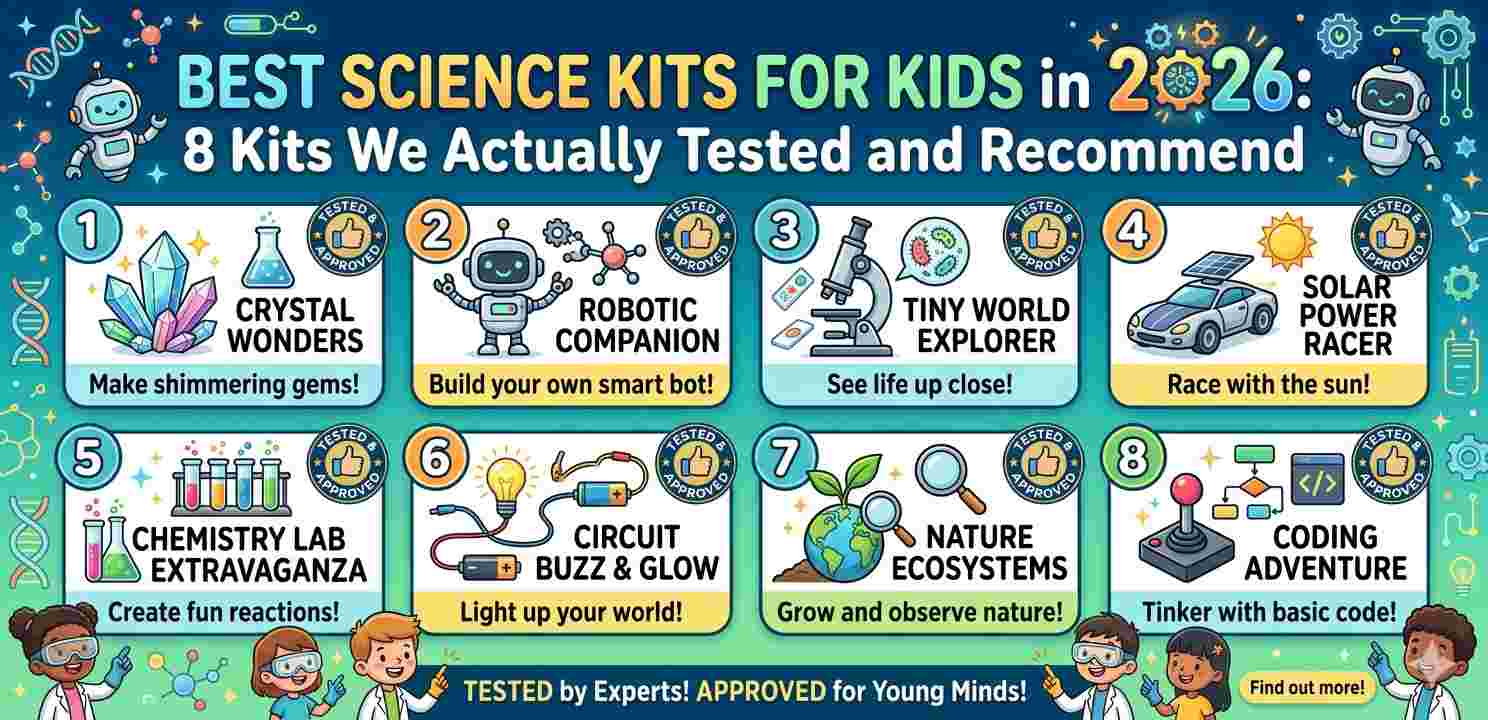
- Simple DIY science kits are widely available and walk kids through real experiments at home.
None of these require a teaching degree. They just require some curiosity and a willingness to explore alongside your child.
How Schools Are Changing Because of STEM Education
Traditional education often kept subjects in separate boxes. English was English. Math was math. They rarely overlapped in meaningful ways.
STEM education pushes schools toward integrated, project-based learning. A student might spend two weeks designing and building a model solar system — using physics, art, math, and research skills simultaneously. That kind of multi-subject learning sticks in a way that memorizing facts from a textbook rarely does.
Many schools are also introducing STEM clubs, robotics competitions, and science fairs earlier — sometimes as early as first or second grade. This early exposure builds confidence and familiarity long before standardized tests start measuring these skills.
Does STEM Education Leave Out Creative Kids?
This is a question a lot of parents ask, especially if their child loves art, music, or storytelling more than science experiments.
The short answer: no. In fact, many schools have expanded the concept to STEAM — adding Arts to the mix — because creativity and design thinking are deeply connected to innovation.
Engineering is inherently creative. Coding requires imagination. Even data analysis involves storytelling when you present findings in a way that makes sense to others. STEM education, done well, doesn’t push creativity aside. It gives creativity a structure to grow within.
Choosing the Right STEM Programs for Your Child
Not all STEM programs are created equal. Some focus heavily on rote technical skills. Others emphasize open-ended problem solving, which tends to be more valuable long-term.
When evaluating a school program or extracurricular option, look for:
- Hands-on projects rather than just reading and testing
- Collaboration opportunities where kids work in teams
- Room for failure and iteration — real problem-solving rarely works on the first try
- Diverse examples and role models so every child can see themselves in STEM fields
If you’re looking for structured guidance on what to expect at different grade levels, the National Science Teaching Association offers useful frameworks for parents and educators.
STEM Education and Gender: Breaking Old Barriers
Historically, STEM fields have had significant gender gaps. That’s slowly changing, and STEM education at the primary and secondary level plays a direct role in that change.
Girls who are encouraged to engage with science and math early — and who see female scientists and engineers as role models — are significantly more likely to pursue those interests through high school and beyond.
This matters for parents of daughters especially. The language we use, the toys we provide, and the encouragement we offer all shape whether a child sees STEM as “for them” or not. STEM education works best when it feels equally accessible to everyone.
Common Myths About STEM Education Parents Should Drop
Myth 1: “My child isn’t a math person, so STEM isn’t for them.” There’s no such thing as being “wired” for or against math. Early experiences and encouragement shape ability far more than any inherent trait.
Myth 2: “STEM education is only for kids heading to university.” Technical literacy is becoming essential in trades, healthcare, business, and creative fields alike. STEM education benefits every career path.
Myth 3: “My school doesn’t have resources, so there’s nothing I can do.” Plenty of STEM education happens outside schools — through libraries, free online platforms, community programs, and at-home activities.
Final Conclusion
STEM education isn’t a passing trend — it’s a fundamental shift in how children are being prepared for the world ahead. From building critical thinking to making technology feel accessible, from encouraging curiosity to building resilience, the benefits reach far beyond test scores.
As a parent, you don’t have to be a scientist or engineer to support your child’s STEM journey. You just need to stay curious alongside them, ask questions, encourage experimentation, and take advantage of the many free and affordable resources available today.
The earlier kids engage with STEM education, the more confident and capable they become — not just in science or math, but in facing any challenge that comes their way.